The FINSYNC Impact Center
FINTECH
UX/UI DESIGN
RESEARCH
Roles & Responsibilities
User Research: Interviews, Personas, Design Sprints
UX Design: Sketches, Wireframing, UI Design, Design Systems
Project Context
Lead Designer
Sept 2024- Sept 2025
1 Designer, 1 product manager, 5 engineers
Tools Used
Figma
Figjam
Full Story
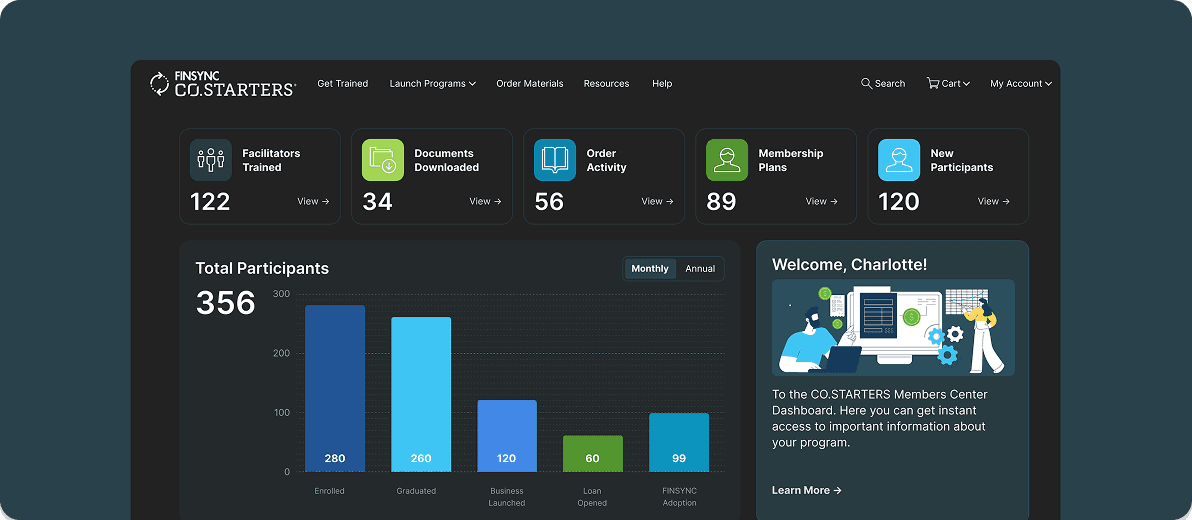
FINSYNC is a SaaS Platform that helps small businesses manage accounting, payroll, and payments all in one platform (See FINSYNC Case Study). After two years designing on the FINSYNC Platform, I led the creation of the FINSYNC Impact Center. A hub connecting entrepreneurs with bankers, investors, accountants, and coaches to provide real-world support beyond software into financial support and business coaching.

PROBLEM
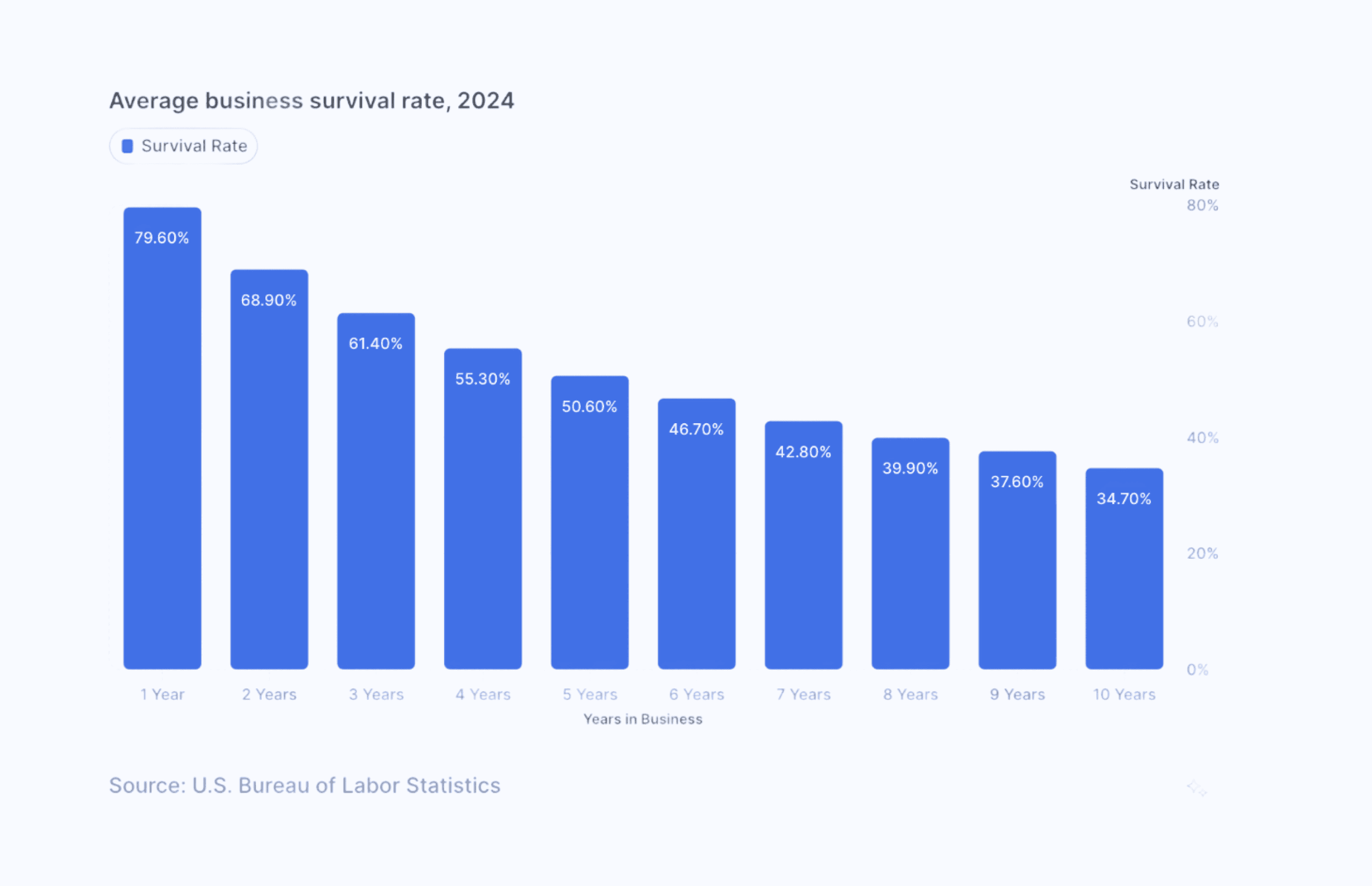
Starting a business shouldn’t feel like a coin toss, but the five-year survival rate of small businesses tells a different story. We wanted to help more of our partners beat those odds.
In our conversations with users, we found a common issue: many entrepreneurs didn’t know about the financial and advisory resources available beyond our product. The real issue wasn’t about tools, it was about guiding them to the right people.

THE SOLUTION
We built a platform designed to go beyond software, a space where entrepreneurs can access the financial support and expert guidance they need to overcome barriers and take their next steps toward growth.
THE SOLUTION
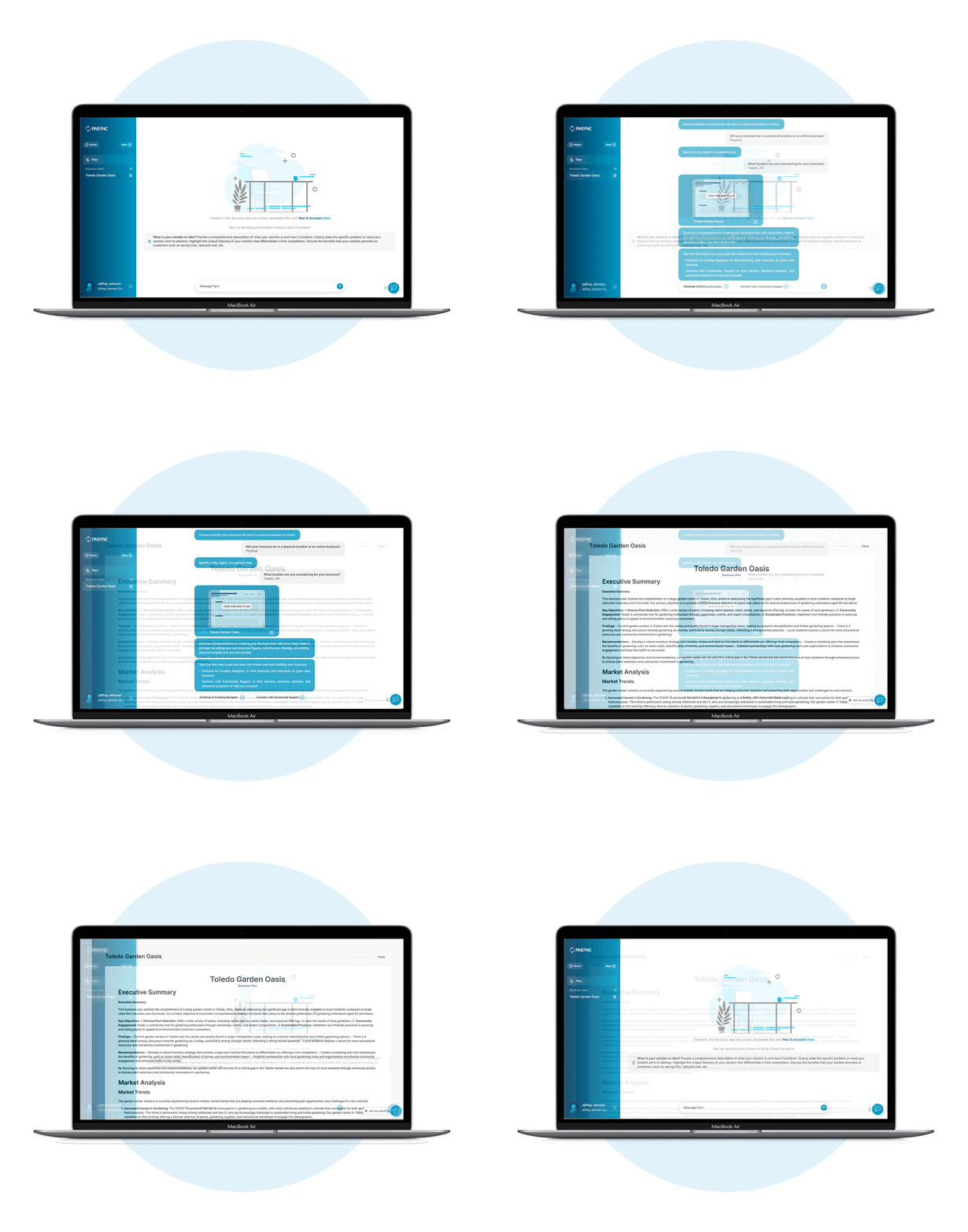
Knowing the Roadmap
Know exactly what investors and lenders need to see
Create smart, AI-generated business plans that cut planning time from days into minutes
THE SOLUTION
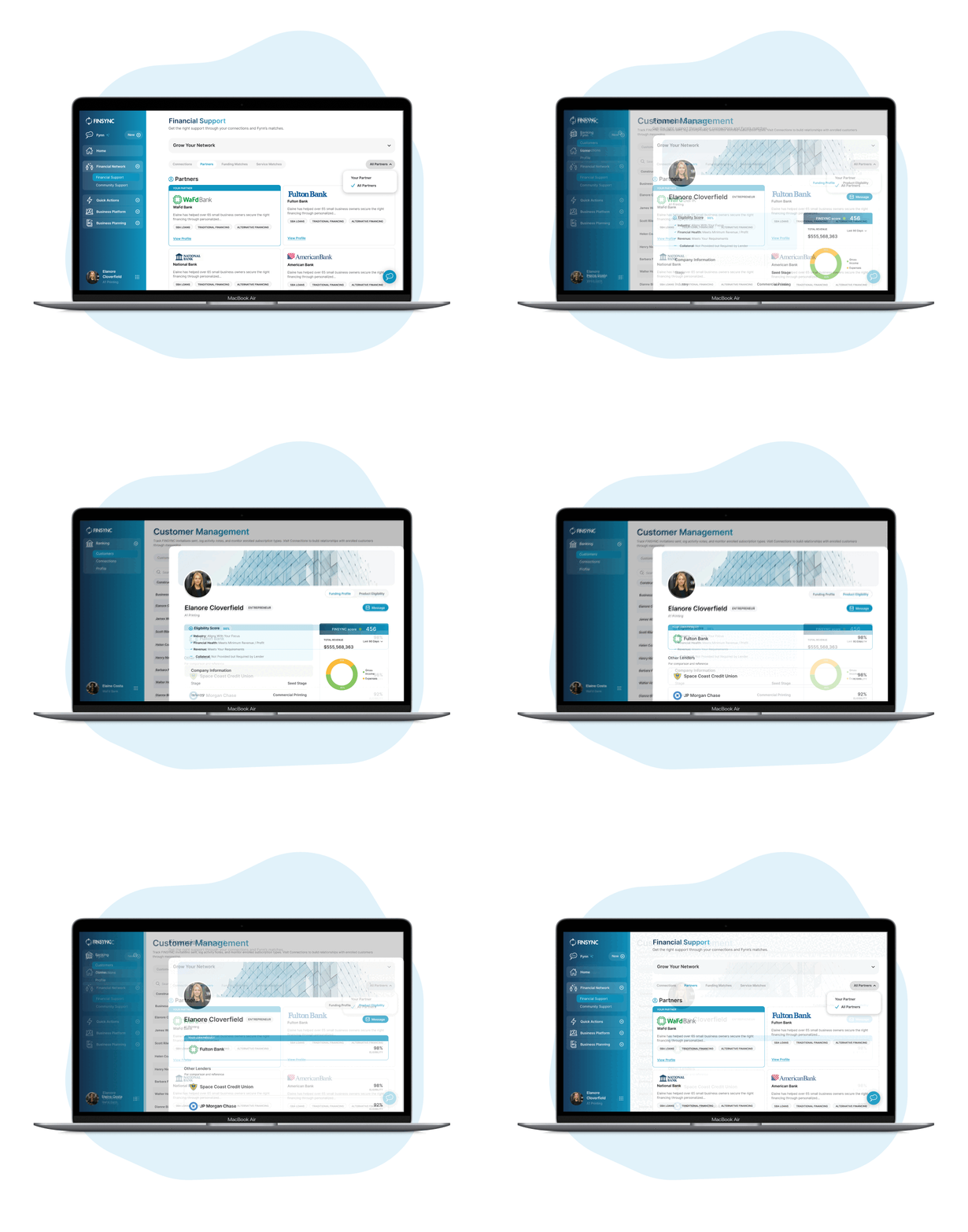
Delivering Expert Recommendations
Discover professionals who can unlock the next stage of growth
Connect and chat seamlessly with vetted experts
Instantly gauge expertise and compatibility before partnering
THE SOLUTION
Guidance & Support
Build skills in finance, planning, and market positioning through guided learning
Stay informed about financial programs designed for entrepreneurs
Secure the tools and funding needed to grow confidently
USER INTERVIEWS - KEY FINDINGS
Supporting Questions
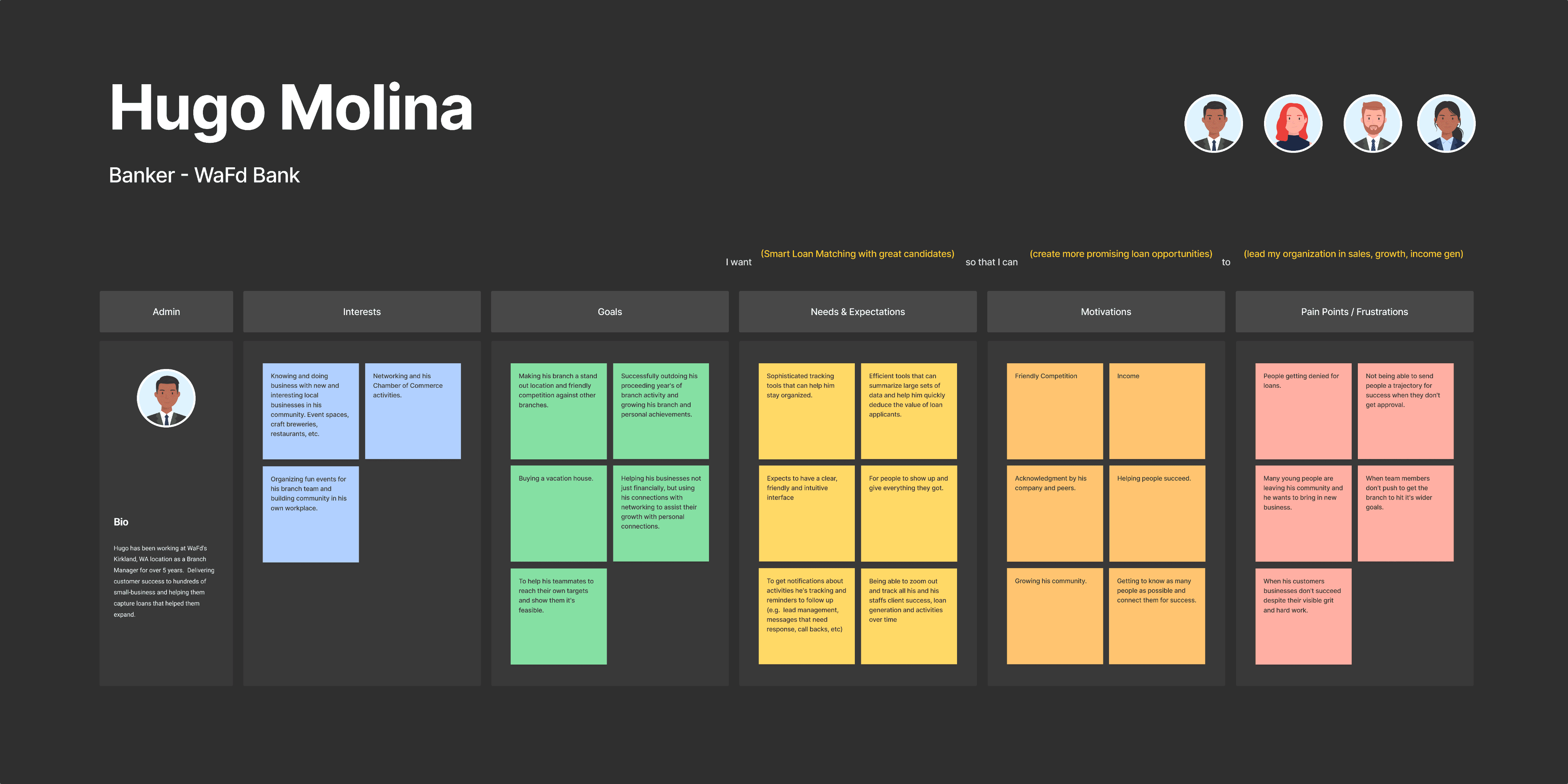
INSIGHTS
Affinity mapping revealed that while most entrepreneurs could identify gaps in their operations, they weren’t aware of the resources or professionals available to fill them.
Major Insights
Theme 1: Guidance
Business owners often lacked clarity about their next steps
Many had never developed a business plan or long-term roadmap
Entrepreneurs expressed a desire to learn from others rather than through costly mistakes

Theme 2: Professional Matching
Those connected to business networks showed greater confidence and optimism
Many owners had unmet needs they didn’t realize could be solved through professional partnerships
Within supportive communities, uncertainty and isolation were significantly reduced

Theme 3: Financial Support
There was high interest in funding opportunities but limited understanding of available options
Many were unaware of alternative funding sources beyond traditional loans
Several had applied for loans unsuccessfully, unaware that investor networks or micro-grants could have met their needs

NEW DIRECTION
Through deeper user interviews and feedback sessions, several key findings emerged that reshaped our focus:
Findings & Discoveries
Users prioritized in-person classes and training over online mentorship
Awareness of loan options was significantly lower than expected
Entrepreneurs valued local, personal relationships and trusted those they could meet in person
DESIGN SPRINT
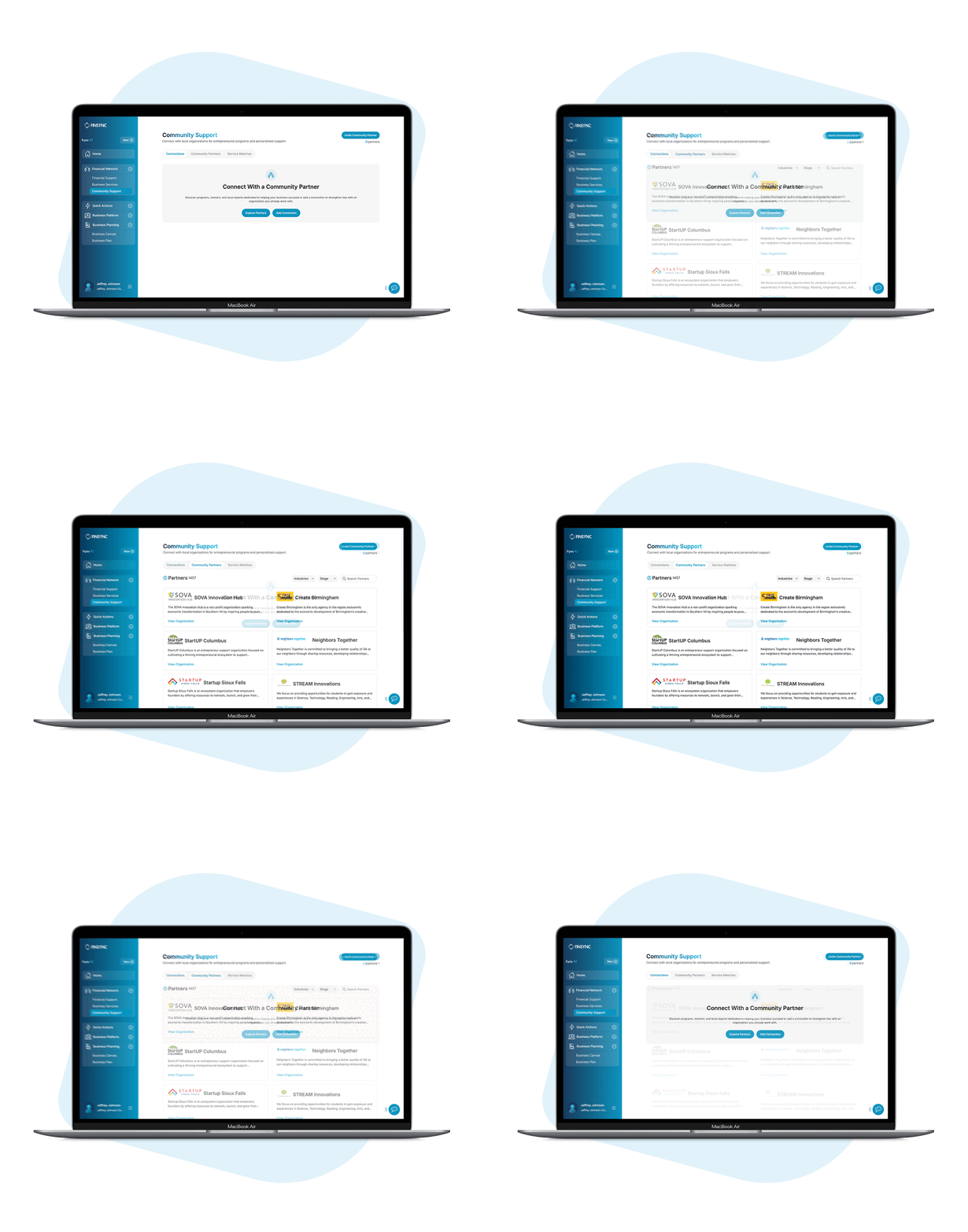
Because the organization was actively considering a rebrand, my design director encouraged me in week one of design to experiment freely with a highly creative dashboard. This became a valuable exercise, inspiring ideas and conversations about what the product could be and giving us a shared visual reference as we moved into deeper UX planning.
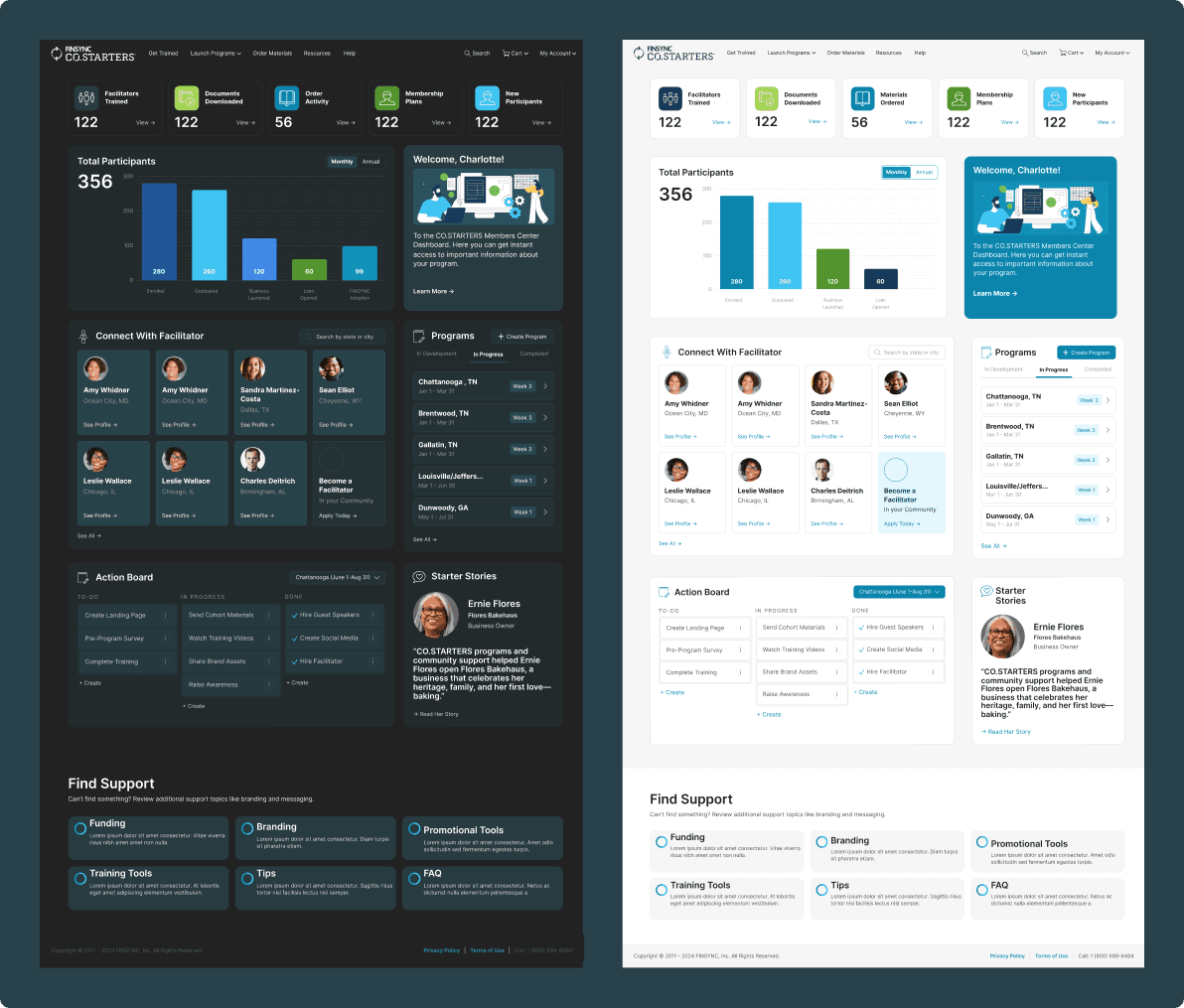
VALIDATE EARLY - INVEST WISELY
Following our design sprint, extensive conversations and workshops with product and leadership led us to the decision to really lean in as much as possible to the components we had in our existing product for our entrepreneurs.
Our review showed that a significant number of components could be reused, creating clear advantages in efficiency and consistency. This allowed us to validate user demand for our product, move fast and make quick adjustments, and prioritize the budget until we could prove it was a solid income generator.
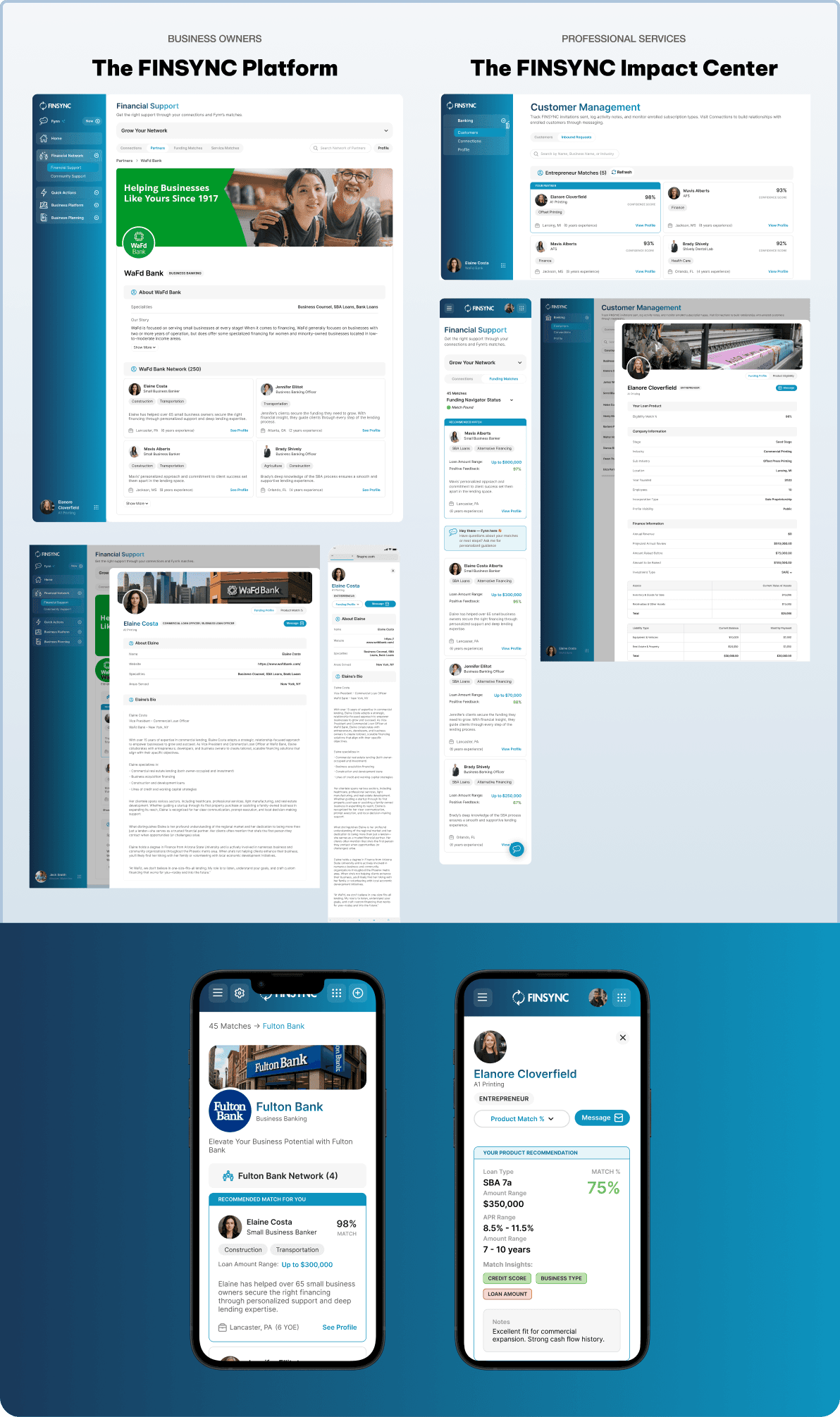
PRODUCT MARKET FIT
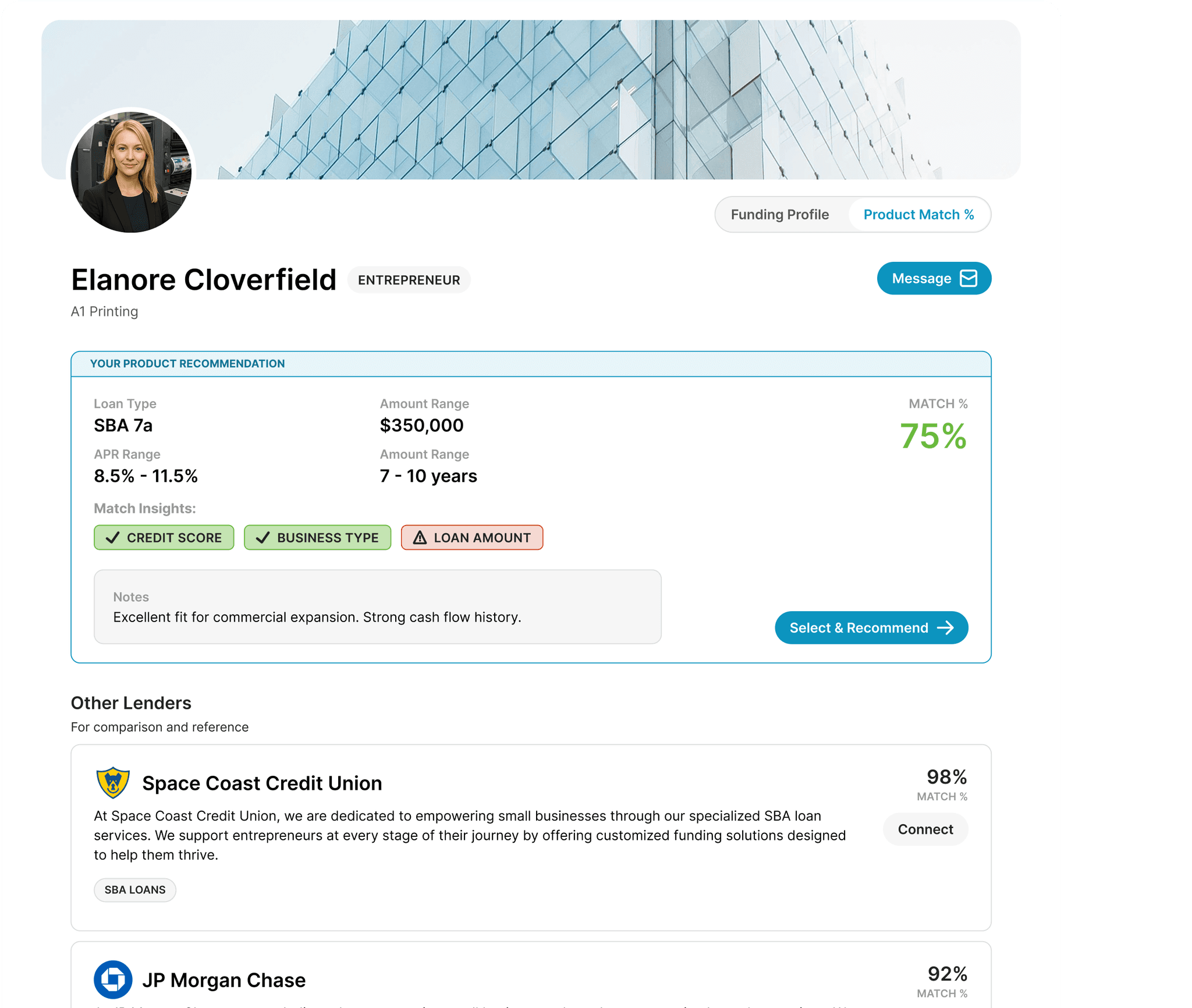
Saying “no” to a customer is costly. It wastes expensive leads, weakens relationships, and leaves businesses without the financing they need to grow.
We saw an opportunity. With our network of lenders (spanning government programs, collateral-based loans, and angel investors), we empowered providers to turn rejection into redirection. By referring clients to better-fit partners, providers can keep the relationship alive, ensure customer success, and still capture value through third-party commissions.
PRODUCT MARKET FIT
What began as a focused MVP quickly grew into a platform that outperformed expectations. By expanding our feature set to give lenders unmatched flexibility, we attracted over 1,000 financial partners in the first six months. One of our largest partners achieved preferred SBA lender status, and investment partnerships opened a new channel of user acquisition, more than doubling the customer base of our business platform.
Results
We onboarded over 1,100 partners to serve our entrepreneurs including bankers, investors, and community organizations.
We created new revenue streams through offering new loan products including alternative financing and SBA (US government backed small business loans) which led to 2 new streams of revenue for the organization
Takeaways
Keeping really close track and taking some of the projects that you may not necessarily be involved with is critical for the overall health, workflow, and success of the organization
The best ideas aren't all ways epiphanies, and often come from simply listening to people putting in the work to get through all the minutia and other data until a discovery is born